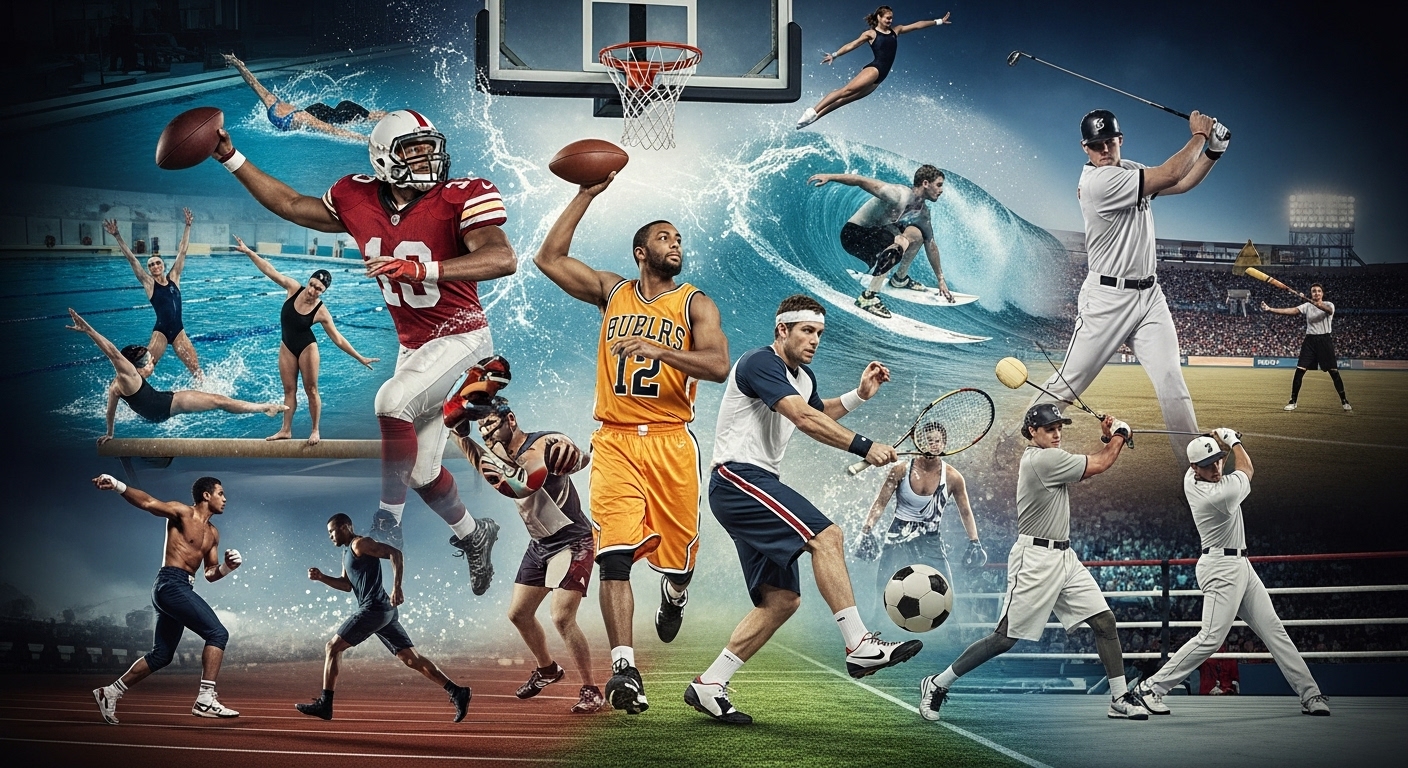
Sports are an integral part of human life, transcending cultural, social, and geographical boundaries. They have been around for centuries, evolving alongside civilizations and reflecting the values, struggles, and triumphs of societies. From ancient competitions in Greece to modern global tournaments, sports have consistently provided a platform for entertainment, personal growth, community building, and international diplomacy. In this article, we will explore the multifaceted world of sports, including its history, benefits, types, impact on society, and role in shaping individuals and communities.
The History of Sports
The origin of sports can be traced back to ancient civilizations. Archaeological findings suggest that sports were practiced in prehistoric societies for both survival and leisure. Early forms of sport included activities like hunting, wrestling, and archery, which were essential for survival but also fostered competition and skill development.
Ancient Civilizations and Competitive Sports
One of the earliest documented organized sports comes from ancient Egypt, where athletic competitions were part of religious and ceremonial events. Wrestling, rowing, swimming, and running were common, and athletes were often celebrated for their prowess.
In ancient Greece, sports were deeply embedded in cultural life. The Olympic Games, first recorded in 776 BC, were a series of athletic competitions held in Olympia in honor of Zeus. Events like running, javelin, discus, and wrestling became symbols of human strength, endurance, and skill. The Greeks believed that sports cultivated both the body and the mind, a philosophy that still resonates today.
Other civilizations, such as China, India, and Rome, also had organized sports. Martial arts in China, chariot racing in Rome, and wrestling and archery in India were not only forms of entertainment but also training for warfare and social status.
The Evolution of Modern Sports
Modern sports began to take shape during the 19th century, particularly in Europe. The codification of rules, establishment of clubs, and organization of competitions laid the foundation for contemporary sports. Football, cricket, and tennis, for example, developed structured leagues and international tournaments.
The Industrial Revolution played a crucial role in popularizing sports. Urbanization, increased leisure time, and better transportation allowed more people to participate in and spectate sporting events. The establishment of global sporting organizations, such as the International Olympic Committee in 1894, formalized international competitions and promoted sports as a global phenomenon.
Types of Sports
Sports can be broadly categorized into several types based on physical, mental, and team-based characteristics. Each category offers unique challenges and benefits to participants.
Team Sports
Team sports involve coordinated efforts among players to achieve a common goal. Examples include football, basketball, cricket, hockey, and volleyball. Team sports emphasize collaboration, communication, strategy, and collective responsibility. Participating in team sports helps individuals develop social skills, leadership qualities, and a sense of camaraderie.
Individual Sports
Individual sports focus on the performance of a single athlete. These include athletics, swimming, gymnastics, boxing, tennis, and martial arts. Individual sports require discipline, self-motivation, and mental resilience. Athletes learn to handle pressure, set personal goals, and measure success against their own performance rather than that of a team.
Adventure and Extreme Sports
Adventure and extreme sports are high-risk activities that test courage and physical endurance. Examples include rock climbing, skydiving, surfing, bungee jumping, and mountain biking. These sports attract thrill-seekers and promote physical fitness, mental toughness, and risk management skills.
Mind Sports
Mind sports focus primarily on intellectual challenges rather than physical activity. Chess, e-sports, bridge, and competitive programming fall under this category. Mind sports enhance cognitive abilities, problem-solving skills, strategic thinking, and concentration.
The Physical Benefits of Sports
Sports provide numerous physical health benefits. Regular participation in sports activities improves cardiovascular health, strengthens muscles and bones, enhances flexibility, and boosts overall physical endurance. Sports also help in maintaining a healthy weight, reducing the risk of chronic diseases such as diabetes, heart disease, and obesity.
Engaging in sports from an early age fosters healthy growth and development in children. Activities like running, swimming, and team games improve motor skills, coordination, and agility. For adults, sports serve as an effective way to maintain fitness and relieve the sedentary lifestyle often associated with modern work environments.
The Mental and Emotional Benefits of Sports
Beyond physical health, sports have profound mental and emotional advantages. Participation in sports has been shown to reduce stress, anxiety, and depression. The release of endorphins during physical activity promotes a sense of happiness and well-being.
Sports also cultivate essential life skills such as discipline, patience, resilience, and time management. Athletes learn to set goals, cope with failure, and celebrate achievements. Team sports, in particular, encourage empathy, cooperation, and effective communication.
Engaging in sports can enhance self-esteem and confidence. Achieving personal milestones, winning competitions, or improving performance reinforces a positive self-image. These benefits are especially important for young people, shaping their personality and character.
Sports and Social Impact
Sports play a significant role in shaping societies and fostering social cohesion. They bring people together across cultural, ethnic, and economic boundaries. Large sporting events like the Olympics, World Cup, and international marathons promote unity and create a sense of global community.
Sports also provide opportunities for social mobility. Talented athletes from underprivileged backgrounds can gain recognition, scholarships, and professional opportunities. Community-based sports programs offer safe spaces for youth engagement, reducing the risk of delinquency and promoting social responsibility.
Furthermore, sports serve as a platform for advocating social causes. Athletes often use their visibility to raise awareness about health, education, equality, and human rights. Movements such as gender equality in sports, inclusivity for differently-abled athletes, and campaigns against racism highlight the societal influence of sports beyond entertainment.
Sports and Education
Incorporating sports into education has proven to be highly beneficial. Schools and colleges that promote sports participation contribute to holistic student development. Physical education programs encourage healthy habits, teamwork, and strategic thinking. Student-athletes often demonstrate better academic performance, discipline, and time management skills.
Collegiate and university-level sports also provide pathways for professional careers. Scholarships, training programs, and competitions enable young athletes to pursue higher education while developing their sporting talents.
Economic Impact of Sports
Sports have a significant economic dimension. Professional leagues, tournaments, and sporting events generate employment, stimulate tourism, and contribute to local and national economies. Industries related to sports, such as sportswear, equipment manufacturing, broadcasting, and marketing, create substantial business opportunities.
Major sporting events attract global audiences, boosting hospitality, travel, and retail sectors. For example, hosting events like the Olympics or World Cup can lead to infrastructure development, job creation, and international investment.
Women in Sports
Historically, women faced challenges and barriers in accessing sports opportunities. However, the past few decades have witnessed significant progress. Female athletes now compete at the highest levels, inspiring millions and challenging gender stereotypes.
Women’s sports have gained increasing recognition, media coverage, and professional opportunities. Sports such as tennis, athletics, football, and cricket have celebrated iconic female athletes who have left an indelible mark on history. Promoting gender equality in sports is crucial for building inclusive societies and empowering women globally.
Sports Technology and Innovation
Technology has revolutionized sports in multiple ways. From advanced training techniques and wearable devices to data analytics and virtual simulations, technology enhances performance, safety, and fan engagement.
Athletes use performance monitoring tools to track speed, endurance, heart rate, and other vital metrics. Coaches utilize video analysis and AI-driven insights to refine strategies and improve training outcomes. Additionally, innovations like instant replay systems, goal-line technology, and concussion detection devices ensure fair play and athlete safety.
Challenges in Sports
Despite its many benefits, the world of sports faces challenges. Doping and unethical practices undermine fairness and integrity. Excessive commercialization can shift the focus from sportsmanship to profit. Injuries, both minor and severe, pose significant risks to athletes’ careers and long-term health.
Another challenge is accessibility. Not everyone has equal opportunities to participate in sports due to economic, social, or geographic constraints. Ensuring inclusivity, safety, and ethical practices are critical for the sustainable development of sports globally.
The Role of Sports in Building Character
Sports are not just about physical exertion or winning medals; they are a powerful tool for personal growth. Engaging in sports teaches essential values such as perseverance, resilience, respect, and fair play. Athletes learn to face challenges head-on, recover from failures, and work collaboratively toward a common goal.
Participation in sports instills a sense of discipline and self-motivation that extends beyond the field. Whether in professional careers, personal life, or social interactions, the lessons learned from sports shape character and decision-making.
The Global Influence of Sports
Sports have an extraordinary ability to unite people worldwide. International competitions foster cross-cultural interactions, diplomacy, and mutual respect. Events like the FIFA World Cup or the Olympics become global celebrations of human achievement, transcending political, economic, and cultural divides.
Sports diplomacy has historically played a role in easing tensions between nations, promoting peace, and building international partnerships. The shared excitement and collective celebration of sporting achievements demonstrate the universal appeal of sports.
The Future of Sports
The future of sports is promising and dynamic. Emerging trends such as e-sports, virtual reality sports, and adaptive sports for differently-abled individuals are expanding the definition and reach of athletic activities. Sustainability is becoming a central focus, with efforts to reduce environmental impacts of sporting events and promote eco-friendly practices.
Moreover, inclusivity, mental health awareness, and technology-driven training will continue to shape how sports are played, viewed, and experienced globally. The combination of tradition and innovation ensures that sports will remain a vital part of human culture and lifestyle.
Conclusion
Sports are much more than games or competitions; they are a reflection of human ambition, creativity, and spirit. They promote physical health, mental well-being, social cohesion, education, economic growth, and character development. From ancient times to modern global events, sports have consistently united people, inspired generations, and shaped societies.
Engaging in sports—whether as a player, coach, or fan—offers invaluable lessons in teamwork, resilience, discipline, and fair play. It is an arena where human potential is tested, celebrated, and continually pushed beyond limits. As we look toward the future, sports will continue to evolve, innovate, and inspire, remaining a cornerstone of human culture and a symbol of unity, excellence, and perseverance.
Sports remind us that life, much like a game, is about effort, strategy, and passion. It is about striving for personal bests, supporting others, and celebrating the joy of achievement together.