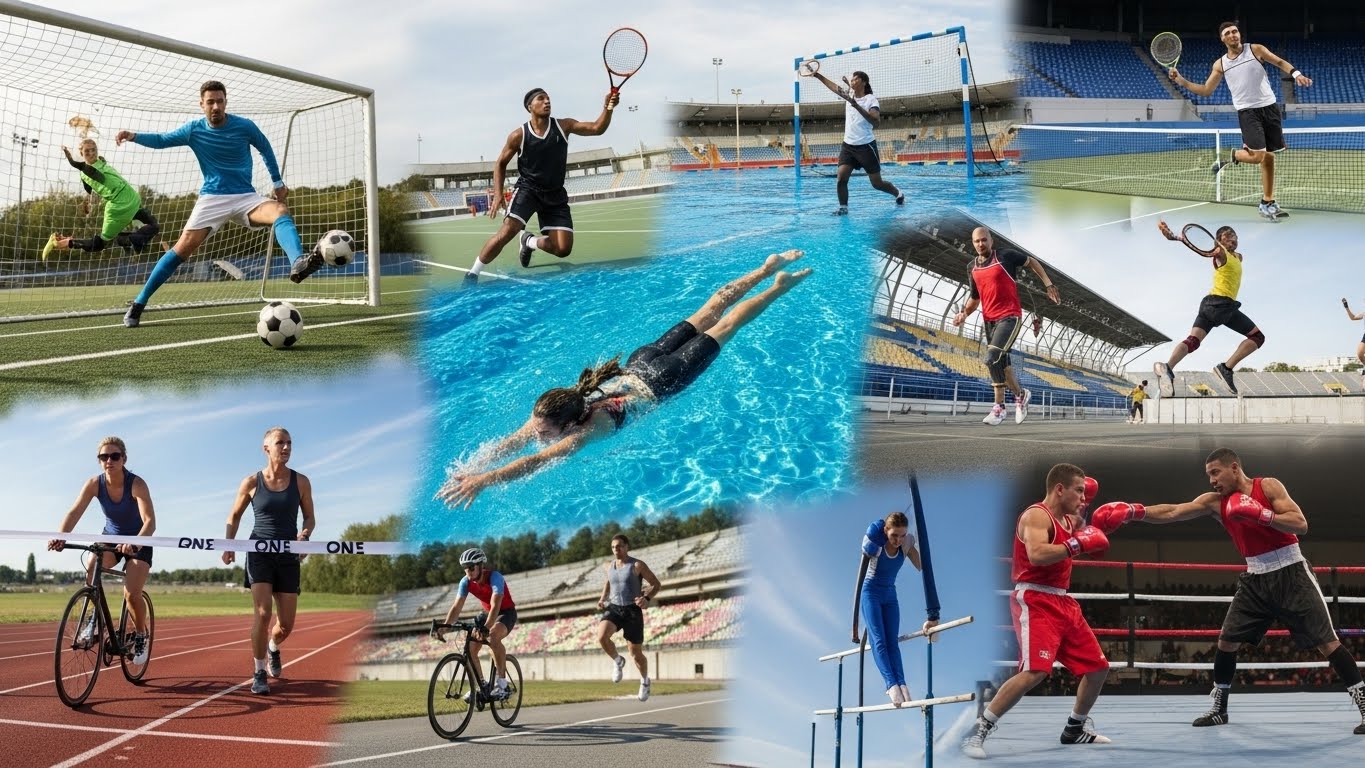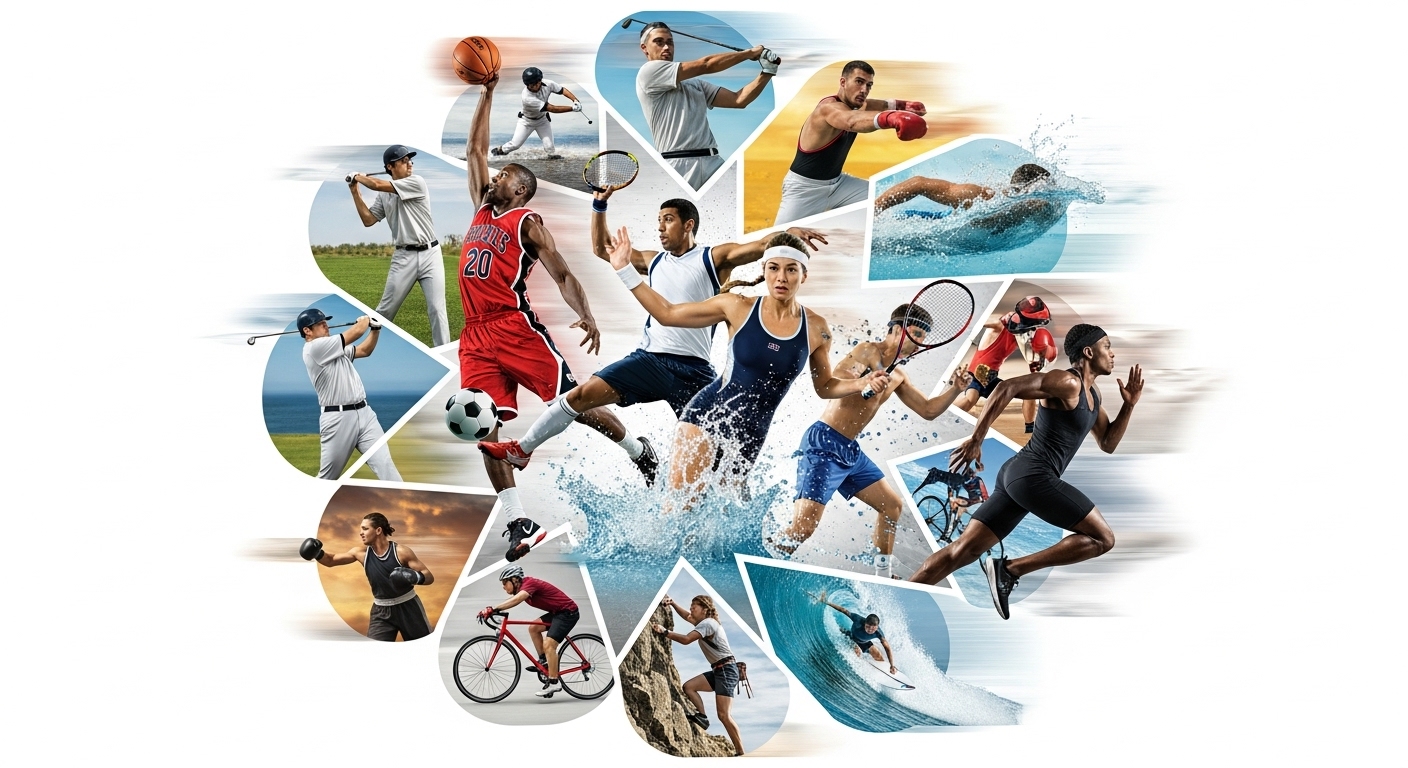
Sports have been a fundamental part of human civilization for centuries. From ancient competitions in Greece to modern-day global tournaments, sports are more than just physical activity—they are a reflection of culture, values, and human potential. They shape individuals, communities, and even nations, teaching lessons that extend far beyond the playing field. This article explores the multifaceted impact of sports, from physical and mental benefits to social, cultural, and economic influences.
The Evolution of Sports
The history of sports dates back thousands of years. Ancient civilizations engaged in physical competitions as a form of entertainment, training, and spiritual expression. The Greeks, for example, celebrated athletic prowess in the Olympic Games, emphasizing discipline, honor, and excellence. Over time, sports evolved to become structured, competitive, and internationally recognized.
Modern sports include a wide range of activities, from team-based games like football, basketball, and cricket to individual competitions such as tennis, athletics, and swimming. Globalization and media coverage have turned sports into a universal language, connecting people across continents and cultures.
Physical Benefits of Sports
Engaging in sports has profound physical advantages. Regular participation strengthens muscles, improves cardiovascular health, enhances flexibility, and boosts endurance. Activities like running, swimming, and cycling improve heart function, while team sports develop coordination and agility.
Sports also play a crucial role in preventing lifestyle-related diseases. Consistent physical activity reduces the risk of obesity, diabetes, and hypertension. Beyond fitness, sports encourage the development of healthy habits such as proper nutrition, rest, and injury prevention, which contribute to long-term well-being.
Mental Health and Cognitive Benefits
Sports are not only about physical health; they have significant mental and cognitive benefits. Physical activity triggers the release of endorphins, reducing stress and anxiety. Regular participation can improve mood, boost self-esteem, and promote emotional resilience.
Team sports encourage problem-solving, strategic thinking, and quick decision-making. Players learn to anticipate opponents’ moves, adapt to dynamic situations, and manage pressure effectively. Even individual sports require mental focus, discipline, and self-motivation, enhancing cognitive function and overall mental agility.
Building Character and Life Skills
Sports are an invaluable tool for character development. They teach discipline, responsibility, and time management. Athletes learn to set goals, work consistently, and strive for excellence. Facing both victories and defeats instills humility, perseverance, and resilience.
Team sports, in particular, foster collaboration, leadership, and communication skills. Players learn to trust teammates, respect different roles, and contribute to a shared objective. These skills extend beyond sports into professional and personal life, preparing individuals for real-world challenges.
Social and Community Impact
Sports have a unique ability to bring people together. Local tournaments, school leagues, and professional competitions create opportunities for social interaction, cultural exchange, and community bonding. Shared enthusiasm for a team or sport fosters friendships and strengthens community ties.
Sports also promote inclusivity and social cohesion. Programs aimed at youth, women, and marginalized groups ensure access to physical activity and fair competition. Major sporting events, such as the Olympics or World Cup, serve as platforms for global unity, celebrating diversity and shared human achievement.
Cultural Significance of Sports
Sports are deeply embedded in cultural traditions. Different countries have signature sports that reflect their history, values, and identity. Cricket is a central part of Indian culture, while soccer is a unifying passion in Brazil. Traditional games, passed down through generations, preserve cultural heritage and instill a sense of belonging.
Sports also influence popular culture, from fashion to entertainment. Athletes become role models, inspiring millions with their dedication, talent, and sportsmanship. Iconic sporting moments transcend the field, shaping narratives about national pride, perseverance, and human potential.
Economic Impact of Sports
The sports industry has a significant economic footprint. Professional leagues, tournaments, and sporting events generate revenue through ticket sales, broadcasting rights, sponsorships, and merchandising. Major events boost tourism, hospitality, and local businesses.
Sports also create jobs in areas such as coaching, event management, sports medicine, marketing, and media production. Investment in sports infrastructure, including stadiums and training facilities, drives local and national economic development. Beyond revenue, sports contribute to community well-being and social investment.
Youth Development Through Sports
For children and adolescents, sports provide a platform for growth and development. Participation improves motor skills, physical fitness, and overall health. More importantly, it teaches life lessons that shape character and values.
Youth engagement in sports encourages teamwork, leadership, and accountability. It provides a constructive outlet for energy and creativity, reducing the risk of negative behaviors. Many educational institutions integrate sports into curricula, recognizing its impact on academic performance, discipline, and social skills.
Women in Sports: Breaking Barriers
Historically, sports were male-dominated, but the landscape is changing. Women athletes are achieving recognition, breaking records, and advocating for equality. Participation in sports empowers women, challenges societal stereotypes, and promotes inclusivity.
Women’s sports programs inspire future generations and contribute to broader social change. They highlight the importance of fair representation, equal opportunities, and access to resources, ensuring that talent and dedication are recognized regardless of gender.
Technological Advancements in Sports
Technology has transformed sports in numerous ways. Equipment, performance tracking, analytics, and training techniques enhance athletic ability and safety. Wearable devices monitor heart rate, movement, and fatigue, helping athletes optimize performance and prevent injury.
Broadcasting technology and streaming platforms have revolutionized fan engagement, allowing audiences worldwide to experience live games and interact with players. Technology also enables instant analysis, fair refereeing, and data-driven strategies, making sports more precise, competitive, and engaging.
Challenges Facing Sports Today
Despite the benefits, sports face challenges. Issues such as doping, corruption, and match-fixing threaten integrity. Excessive pressure on athletes can lead to burnout and mental health struggles. Accessibility remains an issue in some communities due to economic, social, or geographical barriers.
Addressing these challenges requires collective efforts from governing bodies, coaches, educators, and policymakers. Promoting fair play, mental health awareness, and equal opportunities ensures that sports continue to serve as a positive force for individuals and society.
The Future of Sports
The future of sports is a balance of tradition and innovation. Emerging technologies, including virtual reality, artificial intelligence, and data analytics, are transforming training, gameplay, and fan experience. Esports and digital competitions are expanding the definition of sports, blending physical skill with strategy and virtual engagement.
Sports will continue to play a vital role in education, health, culture, and global unity. As society evolves, sports provide a platform for personal growth, social cohesion, and human achievement. They remain a universal language that transcends borders, cultures, and generations.
Conclusion: Sports as a Way of Life
Sports are more than games—they are a way of life. They build physical strength, mental resilience, and character. They connect communities, celebrate culture, and drive economic and technological growth. For youth, sports provide a foundation for personal development. For society, they are a tool for unity, inspiration, and progress.
Every match, race, or competition reflects the human spirit—determination, perseverance, and the desire to excel. Sports teach lessons that extend far beyond the field, shaping individuals and communities in meaningful ways. In the end, sports are a celebration of human potential, passion, and connection, proving that the spirit of the game is timeless and universal.