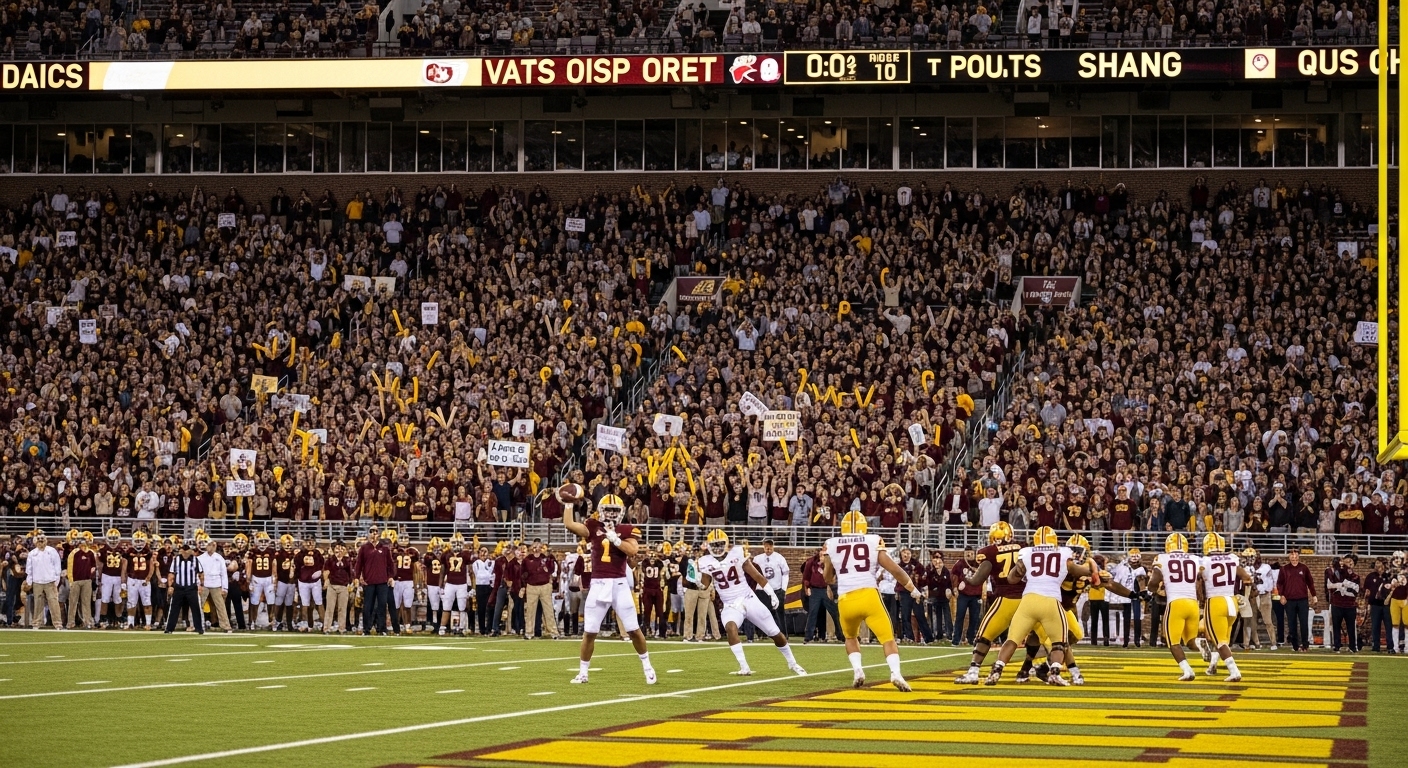
In the world of athletics the relationship between college sports and professional leagues is one of the most dynamic pipelines in the global sporting ecosystem. College sports particularly in the United States have long served as the foundation for nurturing talent developing future stars and preparing athletes for the demands of professional competition. Beyond producing elite players college sports provide the cultural infrastructure financial support and fan base that fuel professional leagues across multiple sports.
The College-to-Pro Pipeline
One of the most direct ways college sports fuel pro leagues is by serving as a training ground for future athletes. The NCAA system in the United States functions almost like a farm system for major professional leagues such as the NFL NBA MLB and increasingly even international soccer.
In basketball for example the NCAA March Madness tournament showcases the best collegiate players on a national stage. Year after year NBA scouts use these tournaments to identify potential stars who can make an immediate impact in the league. Similarly in football college bowl games and the annual College Football Playoff provide scouting opportunities for NFL teams while athletes use these high-pressure environments to prove themselves under the national spotlight.
Skill Development and Coaching
College sports are not just about exposure but also about development. Athletes spend years honing their skills under the supervision of elite coaching staffs. Many college programs rival professional teams in terms of facilities training regimens and support staff including nutritionists sports psychologists and medical teams.
This environment gives players the tools to handle the physical and mental demands of professional leagues. For instance players like Michael Jordan and Tom Brady credited much of their professional preparation to the foundation built during their college years. The combination of structured competition and professional-grade resources makes the transition from college to the pros more seamless.
Cultural and Fan Engagement
College sports also fuel professional leagues by creating a culture of fandom that carries over to the professional level. Millions of fans develop lifelong attachments to players while they are in college and follow them into the pros. This phenomenon strengthens the fan base for professional leagues and creates a pipeline of supporters who are invested not only in teams but also in individual athletes.
For example college basketball stars like Zion Williamson or college football icons like Tim Tebow generated massive fan followings before turning professional. This level of attention boosts ticket sales merchandise demand and television ratings for professional leagues that welcome these athletes.
The Financial Ecosystem
The economic impact of college sports extends well beyond campus stadiums. Revenue from college sports particularly from football and basketball contributes billions of dollars annually to the sports industry. Television deals such as those for March Madness or college football bowl games attract millions of viewers and create commercial partnerships that are deeply connected to professional leagues.
This financial synergy ensures that pro leagues inherit not only well-prepared athletes but also massive audiences who are already accustomed to following competitive sports. The business model of pro leagues is in many ways supported by the groundwork laid by college sports.
Draft Systems and Recruitment
Professional leagues have formalized the college-to-pro pipeline through draft systems. The NBA Draft and the NFL Draft are prime examples of how college sports fuel pro leagues in a structured manner. These events are more than talent selection processes they are national spectacles watched by millions of fans.
The draft not only provides teams with new talent but also gives players the platform to transition from amateur stars to professional athletes overnight. This system maintains the excitement generated during college careers and carries it into the professional arena creating continuity that keeps fans engaged.
College Rivalries and Storytelling
College sports rivalries also contribute to the storytelling that fuels pro leagues. Players who develop reputations in college rivalries often carry those narratives into professional leagues. Whether it is a quarterback who dominated in a heated college football rivalry or a basketball player who shined in NCAA tournaments these storylines enrich the professional game and enhance fan engagement.
When college rivals meet in professional settings the games gain added layers of drama and history. This crossover narrative ensures that fans stay emotionally invested in the athletes’ journeys from campus to the professional spotlight.
International Expansion of the Model
While the U.S. college sports system is the most prominent the model is gaining traction in other parts of the world. Some international basketball and soccer academies are adapting college-style training programs that prepare athletes academically and athletically. The concept of blending education with elite sports training not only builds better athletes but also creates well-rounded individuals ready to handle the pressures of professional life.
This model ensures that professional leagues around the world can look to college programs as reliable pipelines for talent while also promoting personal growth and responsibility among young athletes.
Challenges of the System
Despite its many strengths the college-to-pro pipeline faces challenges. The debate over athlete compensation in college sports highlights the tension between massive revenue generation and the amateur status of student-athletes. The introduction of Name Image and Likeness (NIL) rights has begun to address this imbalance allowing college athletes to profit from their personal brand.
There is also the issue of readiness. Not all athletes who shine in college succeed professionally. The differences in pace skill level and physicality can expose gaps in preparation. Nevertheless the overall system still produces a significant portion of the talent that defines professional leagues.
Beyond the Players
The impact of college sports on pro leagues extends beyond athletes. Coaches analysts broadcasters and even referees often cut their teeth in college sports before transitioning to professional leagues. In this way college sports serve as a training ground for the entire ecosystem of sports professionals who contribute to the success of pro leagues.
Conclusion
College sports are far more than amateur competitions. They are the foundation on which professional leagues are built. From developing skills and creating fan bases to fueling the financial engine of the sports industry college athletics play a critical role in sustaining the professional game.
The excitement of March Madness the tradition of college football Saturdays and the countless rivalries across campuses all contribute to the culture and economy of sports. As long as professional leagues continue to thrive they will owe much of their success to the relentless energy talent and passion that originates in college sports.