Introduction: The Universal Language of Sports
Sports are more than just physical activity; they are a reflection of human passion, culture, and determination. Across the globe, people participate in, watch, and celebrate sports as a form of entertainment, competition, and personal growth. From local playgrounds to professional stadiums, sports unite individuals of different backgrounds, foster community, and inspire dedication and resilience. This blog explores the history, benefits, societal impact, and future of sports, highlighting why they remain an integral part of human life.
The Evolution of Sports
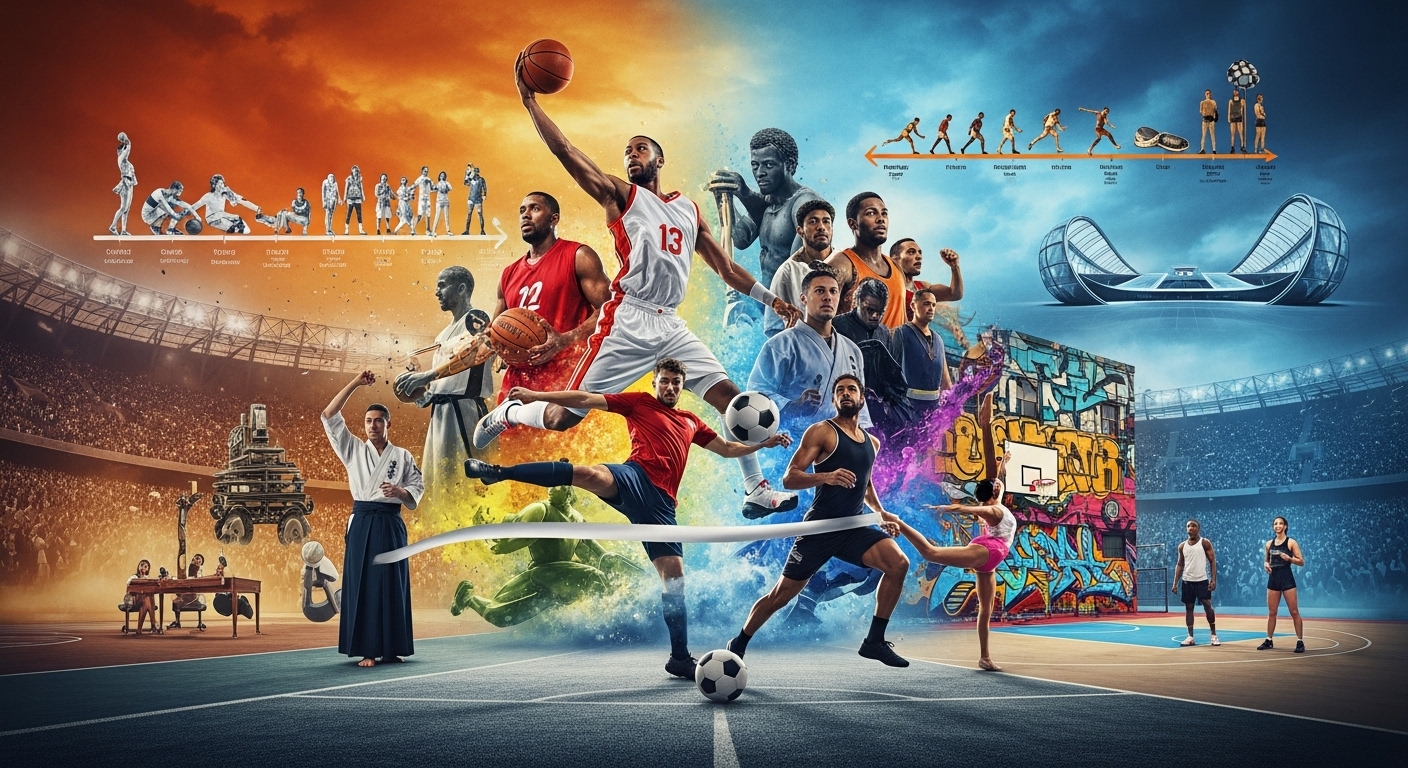
Sports have been an essential part of human civilization for thousands of years. Ancient societies engaged in athletic competitions to demonstrate skill, strength, and strategy. The Olympic Games of ancient Greece showcased events such as running, wrestling, and chariot racing, celebrating physical excellence and cultural identity.
With the passage of time, sports evolved from informal contests to organized competitions with standardized rules. The Industrial Revolution facilitated the rise of professional leagues, stadiums, and global tournaments. Today, sports include traditional physical games like football, cricket, and basketball, as well as modern innovations such as esports, extreme sports, and adaptive sports for individuals with disabilities.
The Physical and Mental Benefits of Sports
Participation in sports provides numerous physical and mental benefits. Physically, sports enhance cardiovascular health, strengthen muscles and bones, improve flexibility, and boost overall fitness. Regular engagement helps prevent lifestyle-related diseases, maintain healthy body weight, and improve endurance.
Mentally, sports foster discipline, focus, and resilience. Team sports promote collaboration, leadership, and communication skills, while individual sports enhance self-reliance and personal accountability. Playing sports also reduces stress, alleviates anxiety, and improves mood through the release of endorphins. Beyond physical health, sports cultivate emotional well-being and personal growth.
The Social Impact of Sports
Sports have a unique ability to bring people together. Spectatorship creates shared experiences, bonding communities around teams, athletes, and competitions. National and international tournaments inspire collective pride and unity, transcending cultural, linguistic, and political boundaries.
Community-based sports programs foster social cohesion, encourage youth engagement, and provide constructive outlets for energy and creativity. Sports also serve as a platform for addressing social issues, promoting inclusivity, equality, and diversity. In many societies, sports act as a cultural glue, strengthening connections and enhancing civic participation.
Professional Sports and Entertainment
Professional sports have become a major form of global entertainment. Athletes dedicate years to honing their skills, competing at the highest level, and representing teams, cities, or nations. Major leagues and tournaments attract millions of spectators, television viewers, and online audiences, making sports a powerful entertainment industry.
The business of professional sports includes sponsorships, merchandising, broadcasting rights, and event management. Beyond entertainment, professional sports drive tourism, economic activity, and media engagement. Athletes become role models, inspiring millions with their achievements, dedication, and discipline.
Sports as a Platform for Education and Personal Development
Sports provide valuable lessons that extend beyond the playing field. Participation teaches time management, goal-setting, resilience in the face of setbacks, and teamwork. Athletes learn to handle victory with humility and defeat with grace, cultivating life skills that translate into academic, professional, and personal success.
Educational institutions often integrate sports programs to enhance student development. Scholarships, coaching, and mentorship opportunities encourage youth to pursue sports alongside academic excellence. By combining physical activity with intellectual growth, sports contribute to well-rounded development.
The Role of Technology in Modern Sports
Technology has revolutionized sports in multiple ways. Advanced training equipment, wearable devices, and performance analytics enable athletes to optimize their performance. Video analysis, biomechanics, and data-driven strategies enhance coaching and game preparation.
Broadcasting technology, high-definition cameras, and live streaming have transformed spectator experiences. Fans can watch games in real time, access multiple camera angles, and engage with statistics and commentary. Virtual reality and augmented reality are also expanding how audiences interact with sports, offering immersive viewing experiences and interactive simulations.
The Globalization of Sports
Sports have become a global phenomenon, transcending national and cultural boundaries. International competitions like the FIFA World Cup, the Olympics, and the Cricket World Cup bring together athletes from all corners of the globe. These events celebrate diversity, cultural exchange, and friendly competition.
Globalization has also facilitated talent mobility. Athletes can compete in foreign leagues, enhancing skill development and fostering cross-cultural understanding. Fans worldwide follow international tournaments, creating shared passions that connect people across continents. Sports serve as a universal language, promoting understanding and unity.
Sports and Gender Equality
Historically, sports were often male-dominated, but the landscape is changing. Women’s sports are gaining recognition, investment, and global audiences. Female athletes are breaking records, inspiring young generations, and challenging traditional stereotypes.
Organizations and initiatives worldwide promote inclusivity and equal opportunities in sports. Efforts to increase media coverage, funding, and access to facilities for women have made sports more equitable. Gender equality in sports reflects broader societal progress, empowering individuals and promoting fairness.
The Economic Impact of Sports
Sports contribute significantly to the global economy. Professional leagues, tournaments, merchandise sales, sponsorships, and tourism generate billions in revenue annually. Cities hosting major events experience economic growth, job creation, and infrastructural development.
Sports-related industries, including equipment manufacturing, sports medicine, marketing, and broadcasting, provide employment and foster innovation. The economic impact of sports extends beyond the field, influencing commerce, media, and technology.
Youth and Community Engagement through Sports
Sports play a crucial role in youth development and community engagement. Local leagues, school programs, and recreational centers offer opportunities for children and teenagers to participate actively, learn life skills, and stay physically healthy.
Community sports initiatives promote inclusivity, social interaction, and volunteerism. They provide safe environments where individuals can build friendships, develop leadership abilities, and cultivate a sense of belonging. Youth engagement in sports contributes to healthier, more connected, and resilient communities.
Sports and Health Awareness
Sports also serve as a platform to promote health awareness. Athletes and sports organizations advocate for physical fitness, nutrition, and mental well-being. Public campaigns encourage active lifestyles, preventive healthcare, and healthy habits, leveraging the influence of sports to inspire positive societal change.
In addition, professional sports teams often collaborate with medical professionals, scientists, and wellness experts to study human performance, injury prevention, and rehabilitation. These efforts contribute to public knowledge and improve health outcomes beyond the world of sports.
The Future of Sports
The future of sports is likely to be shaped by technology, inclusivity, and sustainability. Wearable devices, artificial intelligence, and advanced analytics will continue to enhance performance and training methods. Virtual and augmented reality may revolutionize how fans experience games, providing immersive engagement from anywhere in the world.
Sustainability initiatives are gaining importance, with eco-friendly stadiums, reduced energy consumption, and responsible event management becoming priorities. Sports will continue to evolve in ways that reflect societal values, technological advances, and cultural trends, remaining a cornerstone of human activity and connection.
Conclusion: Sports as a Way of Life
Sports are far more than games; they are a reflection of human ambition, resilience, and community. They foster physical health, mental well-being, social connection, and cultural exchange. From local playgrounds to global arenas, sports inspire individuals to challenge themselves, build teamwork, and celebrate achievement.
As technology advances and societies become more interconnected, sports will continue to play a central role in human life. They offer lessons in discipline, dedication, and empathy, shaping not only athletes but also the communities and cultures around them. Beyond the scores and records, sports remain a universal language that unites, motivates, and enriches the human experience.