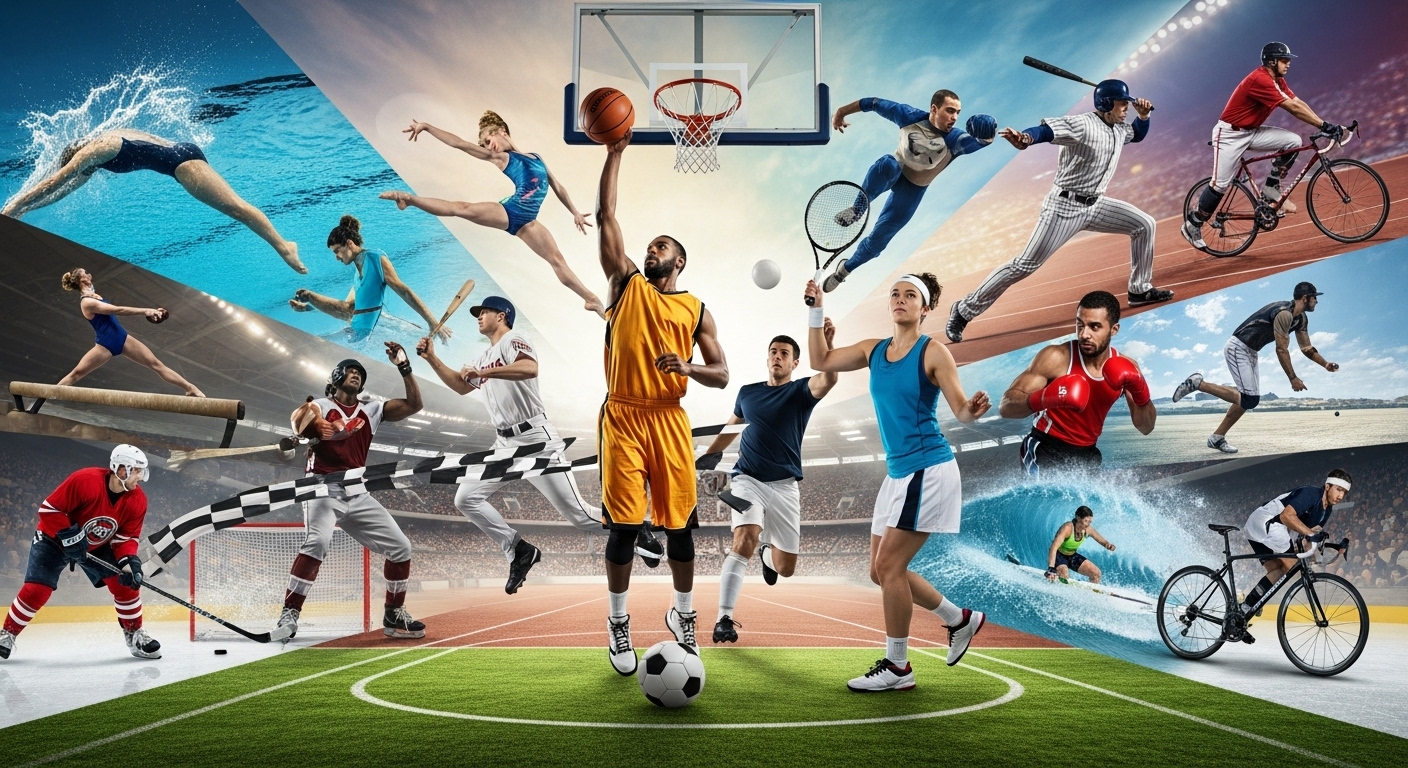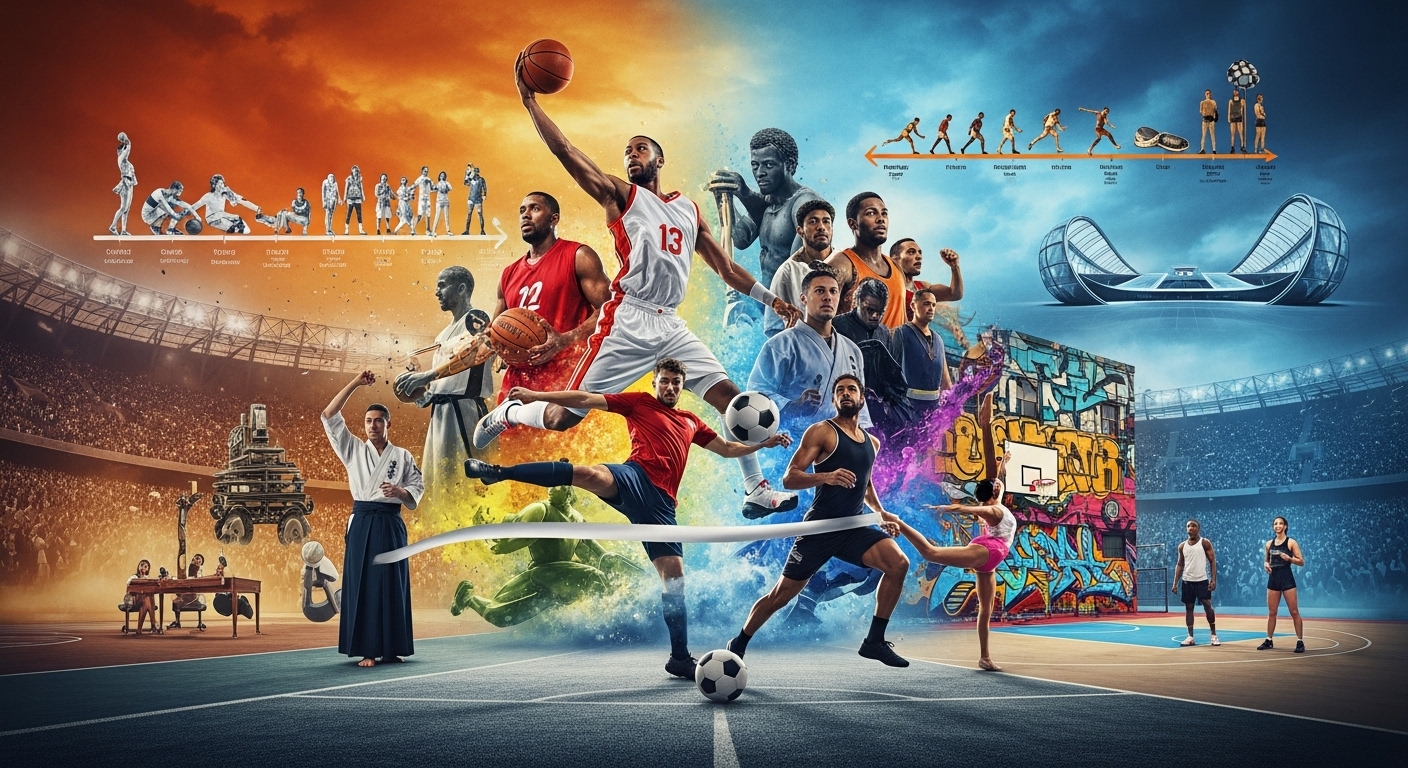
Sports have always been more than just games. They represent human spirit, teamwork, discipline, and the pursuit of excellence. From ancient civilizations to the modern digital era, sports have evolved into a universal language that transcends culture, race, and nationality. They connect billions of people around the world, inspiring dreams, building character, and shaping societies. Whether played professionally or for fun, sports remain a reflection of who we are and what we aspire to become.
The Historical Roots of Sports
Sports have existed since the earliest days of human civilization. Ancient societies used physical contests to train warriors, celebrate gods, and build community bonds. In Greece, the Olympic Games began in 776 BC and were held in honor of Zeus. These events laid the foundation for modern sports, emphasizing strength, skill, and fair play. Similarly, ancient civilizations in Egypt, China, and the Americas engaged in their own forms of sport, from archery and wrestling to early ball games.
The Romans, too, made sports central to their culture. Gladiatorial contests and chariot races filled the massive arenas of Rome, captivating audiences with both courage and spectacle. In Asia, martial arts developed not only as combat systems but as philosophies of discipline and self-mastery. Each culture contributed to the diverse world of sports that we know today.
The Evolution of Modern Sports
The 19th and 20th centuries saw sports transform from local traditions into organized, global phenomena. Rules were standardized, international federations were formed, and professional leagues emerged. The Industrial Revolution played a key role, as it gave people more leisure time and introduced new technologies that enhanced sporting performance and accessibility.
Sports like football, cricket, tennis, and athletics became international passions. The modern Olympic Games, revived in 1896, united athletes from across the globe in a celebration of peace and competition. Over time, sports became more inclusive, allowing both men and women to participate equally. Media, especially radio and television, helped broadcast sports into every household, making athletes heroes and role models for generations.
The Role of Sports in Society
Sports have a deep impact on society, influencing culture, education, and even politics. They promote values such as teamwork, perseverance, and respect for others. Through sports, people learn to handle success and failure gracefully. Schools and communities use sports to encourage fitness, leadership, and cooperation among young people.
In times of crisis, sports often serve as a unifying force. Major sporting events bring nations together, allowing people to celebrate shared passions despite differences. During moments of hardship, victories on the field have lifted the morale of entire countries. Sports also provide opportunities for social mobility, helping individuals from underprivileged backgrounds achieve fame and success through talent and hard work.
The Economic Impact of Sports
The sports industry is one of the largest sectors in the global economy. It generates billions of dollars through sponsorships, broadcasting rights, merchandise, and tourism. Major events like the FIFA World Cup, the Olympics, and the Super Bowl attract massive audiences and create jobs for millions of people.
Sports clubs and leagues have become global brands, influencing fashion, advertising, and entertainment. Athletes are not only competitors but also entrepreneurs, using their platforms to promote products and inspire social change. Cities that host international events benefit from infrastructure development and increased global visibility.
However, this economic power also brings challenges. The commercialization of sports sometimes leads to issues like corruption, doping, and unequal opportunities. Balancing profit with integrity remains one of the biggest tests for modern sports management.
Sports and Technology
Technology has revolutionized every aspect of sports, from performance to fan engagement. Athletes now use advanced equipment, analytics, and nutrition science to enhance their abilities. High-speed cameras, wearable sensors, and data analysis help coaches track progress and prevent injuries.
Fans enjoy sports like never before, with instant replays, live streaming, and virtual reality experiences. Social media allows direct interaction between players and supporters, creating a more connected sporting world.
Even traditional sports are being reimagined in the digital age. Esports, or competitive video gaming, has become a global phenomenon, attracting millions of viewers and challenging the definition of what constitutes a sport. The fusion of technology and competition continues to push boundaries and inspire innovation.
The Psychological Benefits of Sports
Sports play a crucial role in mental well-being. Physical activity releases endorphins, reducing stress and improving mood. Participating in sports helps individuals build confidence, focus, and emotional resilience. Team sports, in particular, foster social connections and a sense of belonging.
For children and young adults, sports teach important life lessons such as discipline, patience, and time management. They learn how to set goals, overcome obstacles, and collaborate with others. For adults, sports provide a healthy escape from daily pressures, promoting balance and happiness.
At the professional level, sports psychology has become an essential part of training. Athletes work with mental coaches to build concentration, motivation, and mental toughness, proving that success is as much about mindset as it is about physical ability.
Sports and Education
Education and sports are deeply interconnected. Many schools around the world emphasize physical education as part of a well-rounded curriculum. Sports teach lessons that go beyond the classroom — teamwork, perseverance, and respect for rules.
Students who participate in sports often show better academic performance because they learn to manage time effectively and maintain discipline. Moreover, sports scholarships offer opportunities for higher education, particularly in countries like the United States, where student-athletes can pursue both academic and athletic excellence.
Universities also play a vital role in developing future sports professionals, not just athletes but also coaches, physiotherapists, analysts, and sports journalists. The combination of academic knowledge and practical experience continues to shape the next generation of sports leaders.
The Power of Women in Sports
Women’s sports have made tremendous progress over the past few decades. Female athletes have broken records, challenged stereotypes, and inspired millions. Icons like Serena Williams, Simone Biles, and Megan Rapinoe have shown that determination and skill know no gender boundaries.
Historically, women faced barriers to participation, from lack of access to funding and facilities to societal prejudice. But through courage and persistence, they have changed the landscape. Today, women’s leagues, tournaments, and endorsements are growing rapidly, creating new opportunities and visibility.
The inclusion of women in all areas of sports — from athletes to coaches and administrators — enriches the entire ecosystem. Equality in sports is not just about fairness; it is about unlocking the full potential of human talent.
Sports as a Tool for Peace and Diplomacy
Sports have often served as a bridge between nations. Throughout history, they have been used to promote peace, understanding, and dialogue. The Olympic Games, for instance, were founded on the principle of bringing nations together in peaceful competition.
Moments like the “ping-pong diplomacy” between the United States and China in the 1970s, or the joint Korean teams in the Olympics, demonstrate how sports can ease political tensions. Even at grassroots levels, sports programs in conflict zones have helped build trust and cooperation among divided communities.
Athletes themselves often act as ambassadors of peace. Their words and actions transcend politics, inspiring unity through shared respect and admiration.
The Role of Fans in Sports
Fans are the lifeblood of sports. Their energy, passion, and loyalty transform games into unforgettable spectacles. Whether cheering from stadiums or watching from home, fans create the emotional atmosphere that makes sports truly special.
Supporters follow their teams through highs and lows, celebrating victories and enduring defeats. The relationship between fans and athletes is deeply emotional — built on pride, identity, and shared dreams. Sports fandom often becomes part of cultural heritage, passed down through generations.
Modern technology has changed the way fans interact with sports. Online communities, fantasy leagues, and social media platforms allow supporters to engage with their favorite teams 24/7. This digital connection ensures that sports remain alive beyond the stadium.
Challenges in the Modern Sports World
While sports bring joy and inspiration, they also face serious challenges. Issues like corruption, match-fixing, and doping have threatened the credibility of competitions. The pressure on athletes to perform has sometimes led to mental health struggles and burnout.
Moreover, the gap between rich and poor nations in access to sports infrastructure continues to grow. Developing countries often lack facilities and training programs, limiting opportunities for young talent. Gender inequality and discrimination also remain obstacles that need continuous effort and reform.
Climate change poses another challenge, affecting outdoor sports and major events. Sustainable sports management is now becoming a global priority, focusing on eco-friendly venues and responsible resource use.
The Future of Sports
The future of sports is dynamic and full of possibilities. Technology will continue to redefine performance, safety, and entertainment. Artificial intelligence, data analytics, and virtual training environments will become even more common.
Inclusivity will also be a major focus. Adaptive sports for people with disabilities will gain more recognition, ensuring that everyone has a chance to participate and compete. The Paralympic Games have already shown the incredible potential of human determination, and this movement will continue to grow.
Additionally, the rise of new forms of sports — from esports to adventure sports — will keep attracting younger generations. The concept of “sport” itself will expand, blending physical and digital experiences.
Environmental awareness will shape the organization of global events. Future tournaments and leagues will prioritize sustainability, aiming to reduce carbon footprints and promote ecological responsibility.
The Emotional Power of Sports
Sports have a unique ability to evoke deep emotions. The joy of victory, the pain of defeat, the suspense of competition — these moments resonate universally. They remind us of the beauty of effort and the unpredictability of life.
When an underdog triumphs, it represents hope for all who struggle. When a champion falls, it teaches humility and resilience. Sports show that success is not only about winning but about striving, learning, and never giving up.
Great moments in sports history — from record-breaking performances to iconic comebacks — stay in our collective memory forever. They become part of human history, inspiring people to believe in their dreams.
Conclusion
Sports are far more than physical contests. They embody the essence of human potential, creativity, and unity. Through sports, we learn lessons that extend beyond the playing field — lessons about teamwork, courage, integrity, and the pursuit of excellence.
In every corner of the world, from small villages to grand stadiums, people come together through sports. It is a global celebration of diversity and humanity, where every participant — athlete or fan — plays a role.
As we look toward the future, sports will continue to evolve, inspiring generations to dream, to work hard, and to connect with others. The spirit of sports will always remind us that while we compete, we are also one — united by passion, respect, and the love of the game.