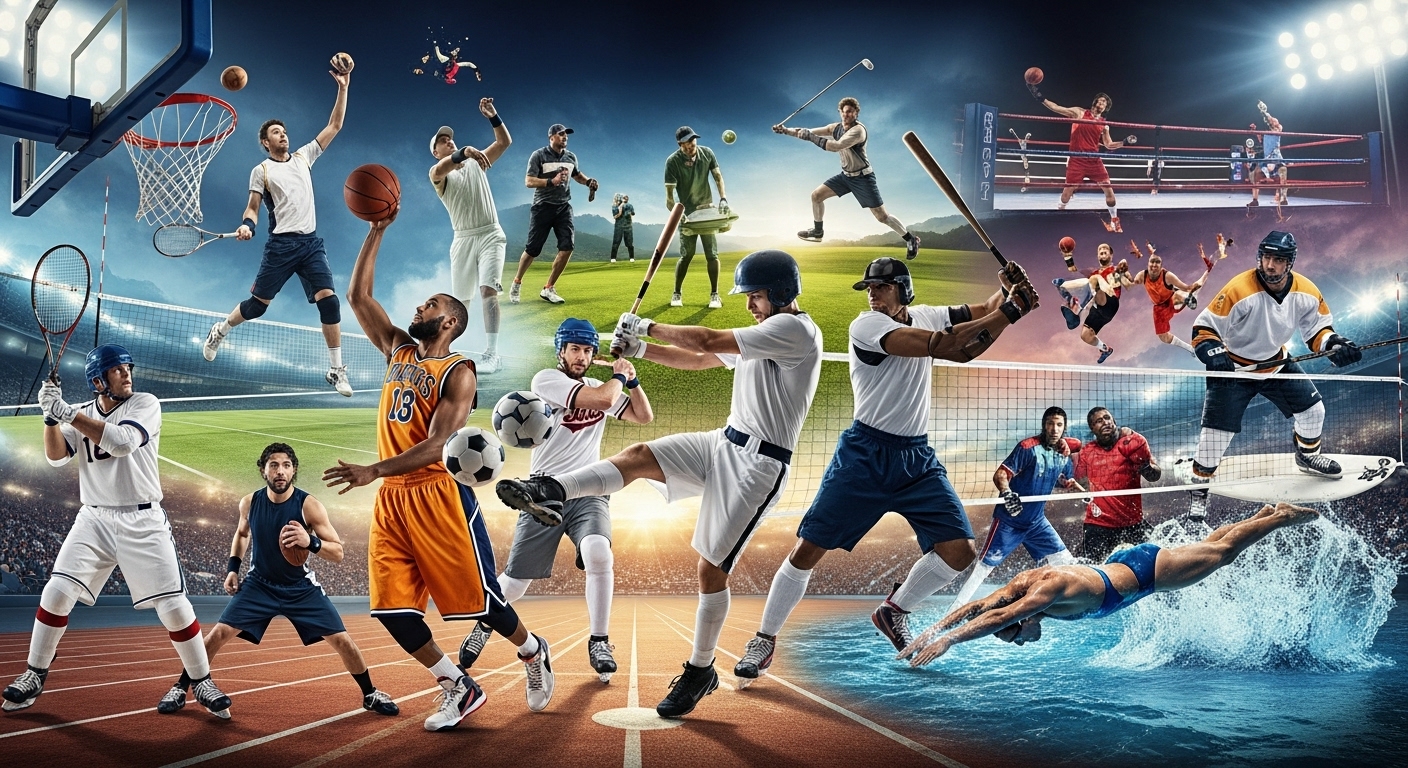
Introduction: More Than Just Games
Sports are often seen as an escape—something to watch, something to enjoy, or a fun way to pass the time. But at their core, sports are much more than a form of entertainment. They’re a reflection of society, a tool for personal development, and a force for unity. From childhood games to professional leagues, sports shape not only the athletes who compete but also the communities and cultures they represent. In this post, we will explore how sports influence our lives in profound ways that extend far beyond the field.
The Physical Benefits: Building Strength and Health
The most obvious impact of sports is physical. Whether it’s the cardiovascular benefits of running, the muscle-building effects of weightlifting, or the flexibility gained from yoga, sports are central to maintaining a healthy body. Regular participation in physical activities reduces the risk of chronic diseases, improves mental alertness, and enhances overall quality of life.
But it’s not just about fitness—sports teach us the importance of taking care of our bodies. Athletes learn the value of nutrition, recovery, and the science of movement, all of which contribute to their physical success. The principles they follow to maintain peak performance—resting when needed, training diligently, and monitoring their health—are valuable lessons anyone can adopt to improve their well-being.
Mental Toughness: The Psychological Strength of Sports
While sports focus on physical strength, they also provide some of the greatest lessons in mental toughness. Athletes must overcome fear, frustration, and failure. The pressure of competition—whether it’s in the last seconds of a game or the hours of training leading up to it—teaches how to cope with stress, stay focused under pressure, and bounce back from setbacks. These skills can have a direct impact on other areas of life, such as work or personal relationships.
Moreover, sports give players a sense of purpose and focus. The discipline needed to train, the focus required during a game, and the perseverance to improve all contribute to a strong mindset. Athletes who face challenges like losing a game, being injured, or struggling to make progress learn to develop resilience. Over time, sports become a powerful tool to strengthen mental health, providing a healthy outlet for stress and anxiety while teaching individuals how to manage their emotions.
Teamwork and Collaboration: The Social Value of Sports
In team sports, success is rarely achieved alone. The importance of working together toward a common goal teaches invaluable social skills. Athletes learn to collaborate, communicate effectively, and trust one another, building relationships that extend beyond the field. These experiences teach lessons in empathy, respect, and understanding, as players often come from different backgrounds and have varying levels of skill.
Even in individual sports, athletes rely on coaches, trainers, and teammates for support and motivation. The experience of working toward a collective goal, whether it’s winning a championship or simply improving personal performance, teaches humility, discipline, and how to handle both victory and defeat with grace.
Sports as a Platform for Social Change
Beyond the playing field, sports have long been a platform for social change. Athletes have used their visibility to advocate for important issues such as racial equality, gender rights, and environmental sustainability. The courage of athletes like Muhammad Ali, Jackie Robinson, and Billie Jean King paved the way for future generations to use sports as a platform for progress. These athletes didn’t just compete; they challenged societal norms and helped spark essential conversations about race, gender, and justice.
Today, athletes continue to use their influence to bring attention to global issues. Whether it’s through social media, activism, or community outreach, sports serve as a powerful vehicle for creating positive change. By voicing their opinions, athletes inspire others to think critically, engage in social issues, and push for a better, more inclusive world.
The Global Connection: Uniting Through Sports
Sports have a unique ability to unite people from different walks of life. Regardless of cultural background, language, or nationality, sports provide a common language that transcends borders. International events like the Olympics, the FIFA World Cup, and the Paralympics bring people from every corner of the world together to celebrate athletic achievement and national pride.
In local communities, sports play a similar role. Whether it’s a local soccer league or a neighborhood basketball game, sports bring people together. They break down barriers and foster a sense of belonging. The shared experience of competing and cheering together helps build bonds between strangers, promoting inclusivity and mutual respect. This sense of unity can strengthen communities, creating spaces where people feel connected to something larger than themselves.
The Economic Impact of Sports
The influence of sports extends into the economy as well. From local recreational leagues to major international events, the sports industry generates billions of dollars each year. Stadiums, teams, merchandise, sponsorships, and broadcasting rights all contribute to a thriving global industry. Jobs are created not just for athletes, but also for coaches, medical staff, event organizers, and numerous other professionals who support the sporting ecosystem.
Major sporting events also have a significant impact on tourism and infrastructure. Cities that host the Olympics or the World Cup experience an influx of visitors, which stimulates local businesses and boosts the economy. Sports tourism has become a major economic driver in many parts of the world, offering cities a chance to showcase their culture, increase employment, and promote long-term growth.
Conclusion: The Enduring Influence of Sports
Sports are far more than games—they are a reflection of human determination, resilience, and unity. They offer numerous benefits, including physical fitness, mental toughness, teamwork, and social change. Beyond the competition, sports have a unique power to bring people together, foster understanding, and contribute to personal and community growth.
Whether we are cheering for a team, playing in a league, or simply engaging in recreational activity, sports shape our lives in ways that go far beyond the scoreboard. They teach us to push our limits, embrace teamwork, face adversity, and, ultimately, make the world a better place through the power of play.