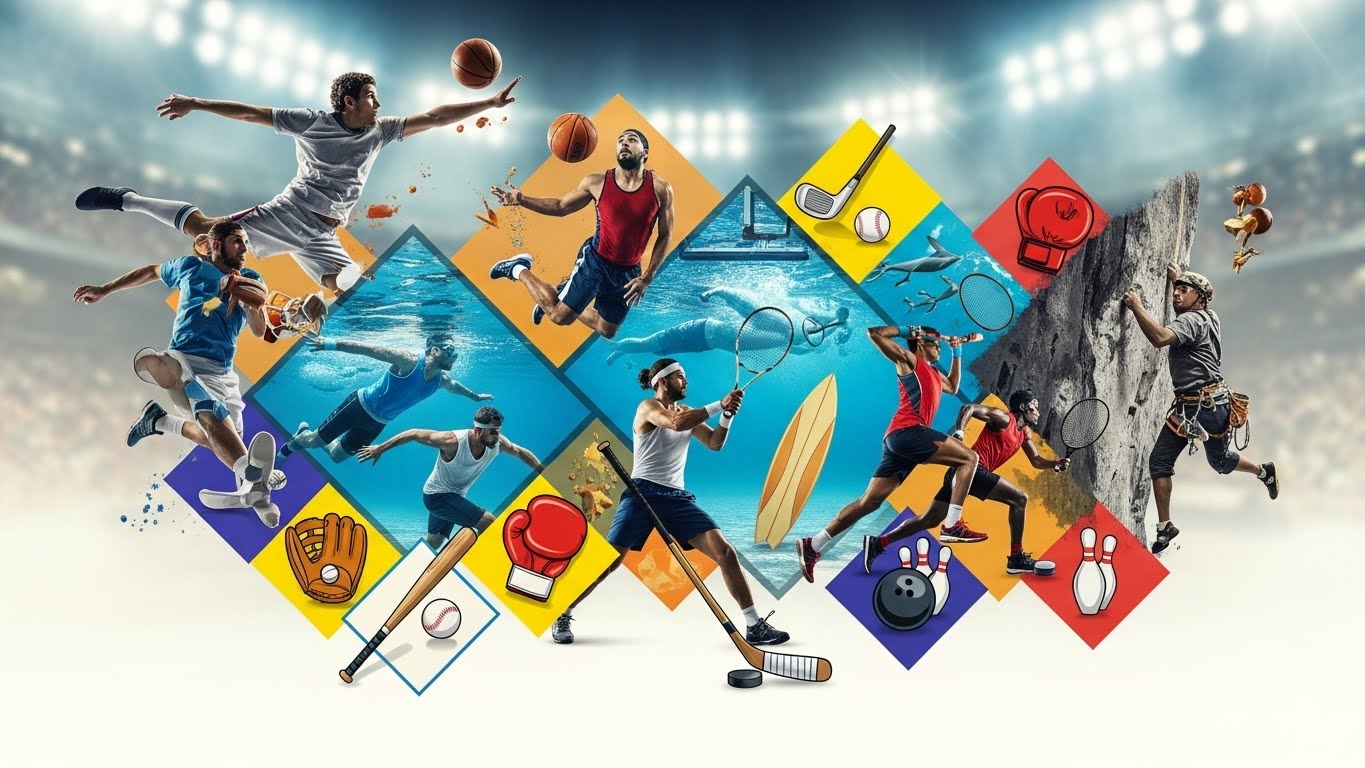
Sports have been an integral part of human civilization since ancient times. From the gladiatorial contests of Rome to the traditional wrestling matches in villages across the world, sports have provided entertainment, a sense of community, and a platform to showcase human skill and determination. The essence of sport transcends mere competition; it unites people, tests physical and mental limits, and often mirrors societal changes and progress. In this blog, we will explore the significance of sports, the evolution of different games, and their impact on both individuals and societies.
The Evolution of Sports Through History
The history of sports can be traced back thousands of years. Ancient civilizations such as Egypt, Greece, and China had organized games that were not only forms of entertainment but also held cultural, religious, and political significance. The Olympic Games, originating in Greece around 776 BC, were perhaps the earliest international sporting event. These games were not only about competition but also celebrated human excellence and unity among city-states.
Similarly, in ancient China, martial arts and archery were highly esteemed, reflecting both the practical and philosophical aspects of sport. In Egypt, wrestling and swimming were popular, often depicted in hieroglyphs as displays of skill and strength. Over time, sports evolved to become more standardized, leading to the structured competitions we know today. The codification of rules in games like soccer, cricket, and basketball in the 19th century laid the foundation for modern professional sports.
Physical and Mental Benefits of Sports
Participation in sports offers numerous benefits beyond the obvious physical exercise. Regular engagement in physical activities improves cardiovascular health, strengthens muscles, enhances flexibility, and maintains a healthy weight. More importantly, sports instill discipline and develop mental resilience. Athletes learn to handle pressure, deal with losses, and celebrate victories gracefully.
Sports also play a vital role in mental health. Physical activity stimulates the release of endorphins, which act as natural mood elevators. Team sports, in particular, promote social interaction and communication skills, fostering teamwork and cooperation. Individual sports like tennis, swimming, or running teach focus, patience, and self-motivation. Overall, sports contribute to a holistic development of the human mind and body.
Popular Sports Around the World
Soccer: The World’s Game
Soccer, or football as it is known in most countries, is the most popular sport globally. With an estimated 4 billion fans, it transcends cultural, linguistic, and geographical boundaries. Soccer’s simplicity—requiring just a ball and an open space—makes it accessible to people of all ages and backgrounds. From local street matches to the FIFA World Cup, soccer evokes passion and loyalty like no other sport.
The game’s beauty lies in its unpredictability. A single goal can change the outcome, and legendary players become cultural icons. Soccer also carries social and political significance; it has been a platform for protest, unity, and celebration.
Cricket: More Than Just a Bat and Ball
Cricket has a unique place in the sporting world, particularly in countries like India, Pakistan, Australia, and England. It is a game that blends patience, strategy, and skill. From fast-paced T20 matches to the strategic five-day Test matches, cricket offers a diverse experience for players and fans alike.
Cricket is more than a sport; it is a cultural phenomenon. In countries where cricket dominates, entire communities pause to watch matches. The game has produced legendary figures whose influence extends beyond the field, inspiring generations with their perseverance and sportsmanship.
Basketball: A Game of Skill and Agility
Basketball is renowned for its fast pace, athleticism, and precision. The sport requires agility, coordination, and strategic thinking. Originating in the United States in the late 19th century, basketball has become a global phenomenon, producing internationally recognized leagues such as the NBA.
Basketball encourages teamwork and fosters a sense of camaraderie. It is also a sport that promotes individual expression, allowing players to showcase creativity through dribbling, passing, and shooting. The game’s popularity continues to grow worldwide, particularly among the youth, due to its accessibility and energetic gameplay.
Tennis: Grace, Power, and Strategy
Tennis is a sport that combines endurance, precision, and mental fortitude. Played individually or in doubles, it challenges players to maintain concentration, anticipate opponents’ moves, and execute strategies under pressure. Iconic tournaments such as Wimbledon, the US Open, and the French Open have immortalized tennis legends whose rivalries captivate audiences globally.
Tennis is unique in the sense that it requires both physical prowess and mental acuity. Players must exhibit stamina and strength while simultaneously making split-second decisions. The sport also encourages self-reliance, as athletes often train alone, relying on personal discipline and dedication.
Athletics: Celebrating the Human Body
Athletics, encompassing track and field events, represents the purest form of competition in sports. It celebrates human speed, strength, and endurance. From sprints to marathons, long jumps to javelin throws, athletics tests the limits of physical performance.
Major events like the Olympic Games highlight the universal appeal of athletics. These competitions are not only a stage for personal triumph but also a symbol of national pride. Athletes inspire millions by pushing the boundaries of what is physically possible, demonstrating that perseverance and hard work lead to extraordinary achievements.
The Role of Sports in Society
Sports serve as a reflection of society, highlighting cultural values, social norms, and collective aspirations. They act as a unifying force, bringing together people of different backgrounds and beliefs. Major sporting events often transcend political and social divides, creating a shared sense of identity and pride.
Sports also provide opportunities for education and career development. Many educational institutions emphasize physical education, recognizing its role in shaping well-rounded individuals. Professional sports, on the other hand, offer careers for athletes, coaches, and support staff, contributing to economic growth and social mobility.
Moreover, sports can be a vehicle for social change. Initiatives promoting women’s sports, accessibility for people with disabilities, and grassroots development programs illustrate how sports can drive inclusion and equality. Athletes themselves often become ambassadors for important causes, using their platforms to inspire positive change.
The Influence of Technology on Modern Sports
Technology has transformed sports in numerous ways, enhancing both performance and spectator experience. Advanced training equipment, wearable devices, and data analytics allow athletes to optimize their performance and prevent injuries. Video replay systems, goal-line technology, and instant reviews have increased fairness and transparency in competitions.
Additionally, digital platforms and social media have revolutionized fan engagement. Fans can now follow live matches, interact with players, and access real-time statistics from anywhere in the world. Technology has also enabled virtual competitions and e-sports, expanding the definition of sports beyond physical arenas.
The Psychological Aspect of Sports
The mental dimension of sports is often as important as the physical. Athletes must develop focus, resilience, and emotional control to perform at their best. Sports psychology has emerged as a vital field, helping players manage stress, enhance motivation, and improve teamwork.
Mental toughness is particularly crucial in high-pressure situations. From penalty shootouts in soccer to final sets in tennis, the ability to stay calm and make strategic decisions often determines success. Athletes also learn to cope with failure and setbacks, translating these skills into other areas of life.
Youth Development Through Sports
Sports play a crucial role in shaping young minds. Participation in sports from an early age promotes physical health, builds character, and develops essential life skills. Team sports teach cooperation, leadership, and conflict resolution, while individual sports foster self-discipline and accountability.
Schools and community programs increasingly recognize the importance of sports in youth development. Structured training, competitive opportunities, and mentorship provide children with a safe and supportive environment to grow. These experiences not only enhance athletic ability but also contribute to academic performance, social skills, and personal growth.
Women in Sports: Breaking Barriers
The role of women in sports has evolved significantly over the past century. Historically, women faced limited opportunities and societal barriers in pursuing athletic careers. Today, female athletes are achieving remarkable success, gaining recognition, and inspiring future generations.
Sports such as soccer, cricket, tennis, and athletics now have thriving women’s leagues and international competitions. The visibility of women in sports challenges stereotypes, promotes gender equality, and empowers girls to pursue their dreams. The achievements of female athletes demonstrate that talent, dedication, and perseverance are not limited by gender.
The Global Impact of Sports Events
International sporting events like the Olympics, FIFA World Cup, and Commonwealth Games have a profound impact on global culture. They bring together athletes from diverse nations, promote cross-cultural exchange, and foster international cooperation. These events also boost tourism, infrastructure development, and national pride.
Beyond economics, global sporting events inspire unity and hope. Iconic moments—such as underdog victories or record-breaking performances—resonate with millions of people worldwide. Sports, in this sense, serve as a universal language, transcending borders and connecting humanity through shared passion and admiration.
The Future of Sports
The future of sports is promising, driven by innovation, inclusivity, and evolving fan engagement. Emerging trends include the rise of e-sports, adaptive sports for people with disabilities, and environmentally sustainable sporting practices. Technology will continue to enhance training, performance analysis, and spectator experience, making sports more accessible and immersive.
Moreover, the global emphasis on health and wellness is likely to increase participation at grassroots levels. Sports organizations are focusing on diversity, equity, and community development, ensuring that sports remain a tool for positive social impact. The next generation of athletes will benefit from improved facilities, scientific advancements, and broader opportunities to excel on the global stage.
Conclusion: Sports as a Reflection of Human Spirit
Sports are far more than games or competitions; they are a reflection of human ambition, resilience, and unity. From ancient contests to modern global tournaments, sports have shaped cultures, inspired individuals, and created unforgettable moments that transcend time.
Whether through the sheer joy of participation, the thrill of competition, or the inspiration drawn from extraordinary performances, sports enrich our lives in countless ways. They teach us discipline, teamwork, and perseverance, while also providing entertainment, pride, and a sense of belonging.
In essence, sports are a celebration of humanity itself. They remind us that while we may differ in background, culture, or belief, we share a universal passion—the pursuit of excellence, the thrill of challenge, and the joy of playing the game. The world of sports continues to evolve, but its core essence remains unchanged: a timeless testament to the human spirit.