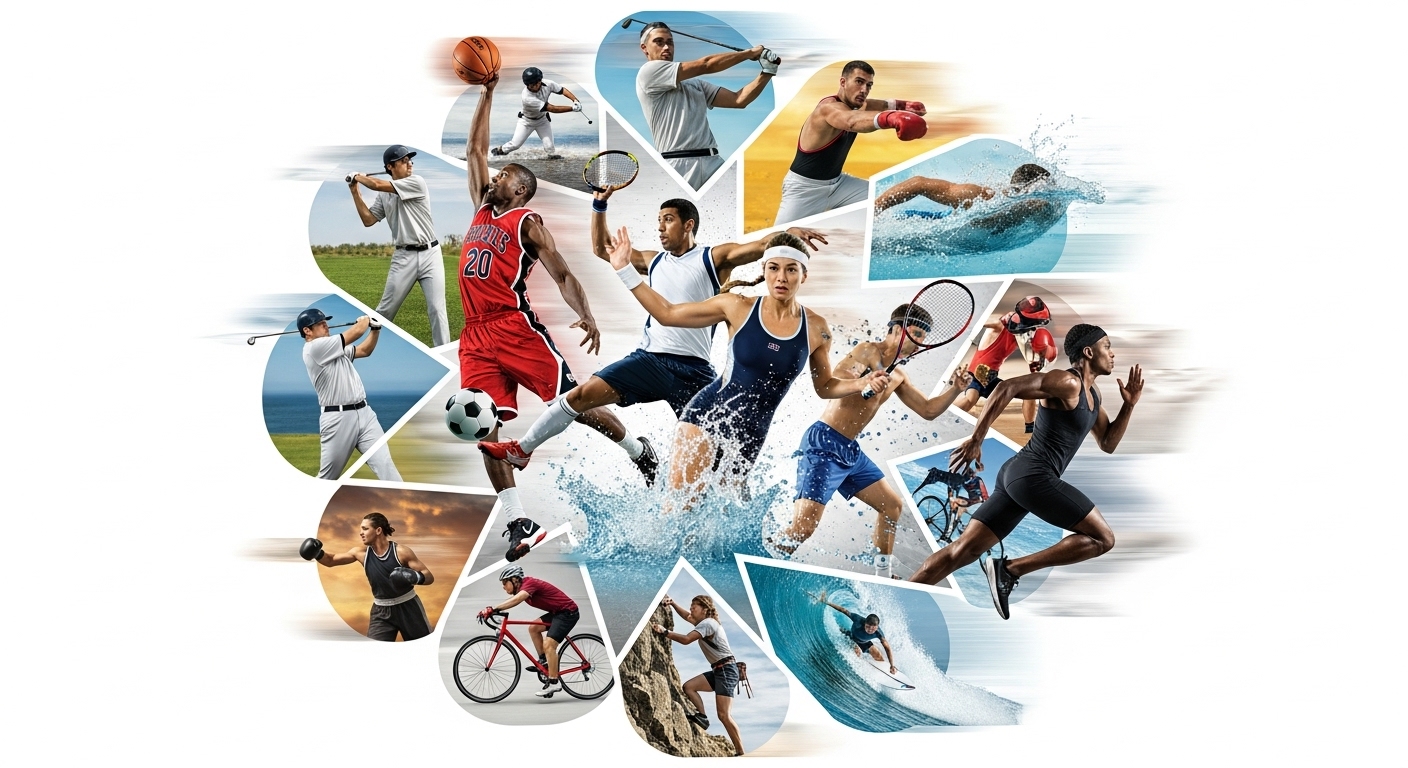
Introduction: The Enduring Impact of Sports
Sports have been a part of human civilization for centuries, and their influence on societies has only grown over time. From ancient civilizations where athletic contests were tied to religious rituals to the modern-day global spectacle that spans continents, sports have become an essential part of our lives. Today, they represent far more than just physical competitions; they are a reflection of culture, technology, politics, and community. They connect people from different backgrounds, unite nations in common goals, and offer both athletes and fans a sense of identity and pride.
This blog explores how sports have evolved over time, focusing on the forces that have shaped their growth and the way they continue to influence society. We will examine the role of innovation, technology, and culture in the evolution of sports and how they are adapting to meet the demands of the modern world. In addition, we will look at emerging trends in sports that are changing the way we experience them and what the future may hold for this dynamic industry.
The Historical Foundation: From Ancient Games to Global Competitions
The origins of organized sports date back thousands of years. In Ancient Greece, the Olympics were first held in 776 BC, serving as a showcase for the athletic abilities of the participants. These games were not just about physical prowess but were also deeply rooted in spirituality, as the ancient Greeks believed athletic competitions honored the gods. Over time, the Olympic Games evolved, growing from local competitions to a truly global event that continues to unite nations every four years.
Other ancient civilizations also played a significant role in the development of sports. In ancient China, for example, martial arts competitions were not just forms of self-defense but were also deeply cultural, teaching discipline and respect. The Mesoamerican cultures had their own forms of ball games, often involving ritualistic aspects. Similarly, the Romans developed gladiatorial combat and chariot racing, which became spectacles that attracted large audiences.
In Europe, medieval tournaments like jousting and archery contests became popular in the royal courts, further shaping the idea of competition. However, it wasn’t until the late 19th century that many of the sports we know today, such as football, rugby, and cricket, began to take formal shape. The creation of official rules, governing bodies, and organized leagues marked the beginning of modern sports as we know them today.
The Rise of Professional Sports: The Business of Competition
The emergence of professional sports in the 20th century marked a major shift in the way sports were perceived and consumed. What was once a pastime or amateur pursuit evolved into a full-fledged business. As industrialization and urbanization took hold, people began to have more leisure time and disposable income to spend on entertainment. This created a fertile ground for the rise of professional sports leagues and competitions.
In the United States, sports like baseball and basketball quickly transitioned from community-level games to professional endeavors. Major League Baseball (MLB) was formed in the late 1800s, and the National Basketball Association (NBA) was established in 1946. These leagues became behemoths in the sports world, attracting millions of viewers and generating billions of dollars in revenue. The model of professional sports in the U.S. was quickly replicated in other parts of the world, with soccer leagues in Europe and Latin America growing in prominence.
The commercialization of sports didn’t just benefit the athletes; it also led to the creation of massive media empires. Broadcasting deals, television rights, and sponsorships became the backbone of the sports industry. Today, sports events are some of the most-watched television broadcasts globally, from the Super Bowl to the UEFA Champions League final.
As sports grew into massive commercial entities, the athletes themselves became global superstars. Iconic figures like Michael Jordan, Pelé, and Serena Williams became household names, not just for their athletic achievements but for their endorsement deals, charitable foundations, and larger-than-life personalities. The intersection of sports and business created an entirely new industry, and sports stars are now as much brands as they are athletes.
Technology and Innovation in Sports: Changing the Game
Over the last few decades, technology has radically transformed the world of sports. From advancements in equipment and training methods to real-time data analytics and fan engagement, technology has had an enormous impact on how sports are played, viewed, and consumed. The integration of technology into sports is an ongoing process, constantly pushing the boundaries of what is possible.
One of the most obvious ways technology has influenced sports is through advancements in athletic equipment. The development of lighter, stronger materials has led to improvements in everything from running shoes to bicycles to racing cars. In sports like tennis, golf, and cricket, the introduction of high-tech equipment has led to new techniques and strategies, allowing athletes to perform at previously unimaginable levels.
Another area where technology has had a significant impact is in the field of sports medicine and performance optimization. The use of wearables, such as fitness trackers and smart clothing, allows athletes to monitor their health in real time, tracking metrics like heart rate, distance, and muscle strain. Advanced imaging technologies like MRI scans and biomechanical analysis also help in diagnosing injuries and improving recovery processes.
Real-time data analytics has revolutionized the way teams and coaches approach competition. The rise of big data in sports has allowed for a more scientific approach to training and performance. Coaches can now use player statistics, game footage, and predictive algorithms to make more informed decisions. In sports like football, basketball, and soccer, data is used to break down player performance, identify strengths and weaknesses, and develop strategies that give teams a competitive edge.
On the fan side, technology has made it easier than ever to engage with sports. Streaming platforms, social media, and mobile apps allow fans to watch live games, interact with players, and access a wealth of information in real time. Virtual reality (VR) and augmented reality (AR) are also beginning to change how fans experience sports, offering immersive experiences that put them in the heart of the action. These technologies have not only enhanced the fan experience but have also made sports more accessible to a global audience.
The Globalization of Sports: Bridging Cultures and Uniting Nations
One of the most significant changes in the landscape of sports over the last century has been its globalization. Thanks to advances in transportation and communication, sports have become a truly international phenomenon. No longer confined to regional or national boundaries, sports events now attract audiences from all over the world.
The global reach of sports is evident in events like the FIFA World Cup, the Olympics, and the NBA Finals, where millions of people tune in from every corner of the globe. Major sports leagues, particularly in soccer, basketball, and American football, now have international fan bases, with games broadcast in numerous languages and countries.
The globalization of sports has also led to the rise of international competitions, where athletes from different nations come together to compete at the highest level. In soccer, for instance, players often represent their countries in international tournaments like the World Cup, while also playing in domestic leagues, creating a blend of national pride and club loyalty.
Furthermore, sports have played a pivotal role in fostering international relations and diplomacy. In times of political tension, sporting events have provided a neutral ground for nations to engage in friendly competition. The concept of “sports diplomacy” has been used to break down barriers and bring people together in the spirit of goodwill.
Emerging Trends in Sports: The Role of Esports, Diversity, and Sustainability
As we look to the future, there are several emerging trends that will continue to shape the world of sports. One of the most significant developments in recent years is the rise of esports. Competitive video gaming has evolved from a niche hobby into a global industry, with professional players, tournaments, and fanbases rivaling those of traditional sports. Esports events such as the League of Legends World Championship and The International attract millions of viewers and offer multi-million-dollar prize pools. Esports are also expanding into educational institutions, with some universities offering scholarships to students who compete at a high level.
Another emerging trend is the increasing diversity in sports. Historically, sports have been dominated by certain demographics, but that is rapidly changing. Women’s sports, in particular, have gained tremendous visibility and respect in recent years. Female athletes are now featured prominently in major events like the Olympics and FIFA World Cup, and their achievements are being celebrated on par with their male counterparts. There is also a growing focus on inclusivity for athletes with disabilities, with the Paralympics showcasing the incredible achievements of athletes who defy expectations.
Sustainability is also becoming an important issue in the world of sports. As environmental concerns grow, sports organizations are beginning to take steps to reduce their carbon footprints. From energy-efficient stadiums to sustainable merchandise and waste reduction programs, many sports teams and leagues are adopting green initiatives to contribute to a more sustainable future.
The Future of Sports: Innovation, Challenges, and Opportunities
Looking ahead, the future of sports holds exciting possibilities. Technology will continue to play a central role, enhancing athlete performance, fan experiences, and the way sports are managed. Virtual reality, artificial intelligence, and advanced data analytics will likely revolutionize how sports are played and consumed. Additionally, as society continues to prioritize issues like sustainability and social justice, sports will likely evolve to reflect these values, providing opportunities for positive change both on and off the field.
However, there are challenges ahead. Ensuring the fair treatment of athletes, addressing issues of inequality, and maintaining the integrity of competitions will be ongoing concerns. The commercialization of sports has led to debates about its impact on the authenticity and accessibility of games, particularly in youth sports.
Despite these challenges, sports will remain a cornerstone of human culture. They will continue to inspire, entertain, and unite people, providing a sense of belonging and pride across the globe. As innovation and tradition continue to intersect, the world of sports will evolve in ways we cannot yet imagine.