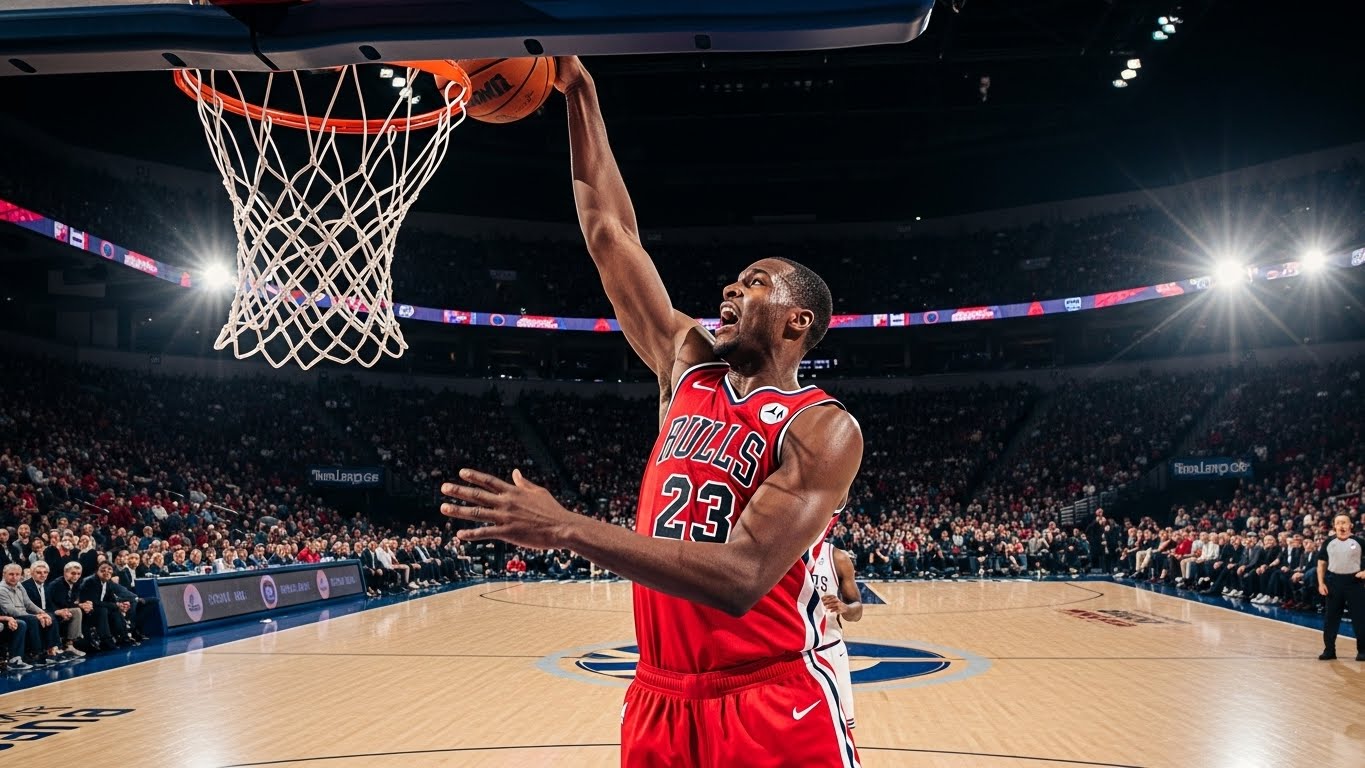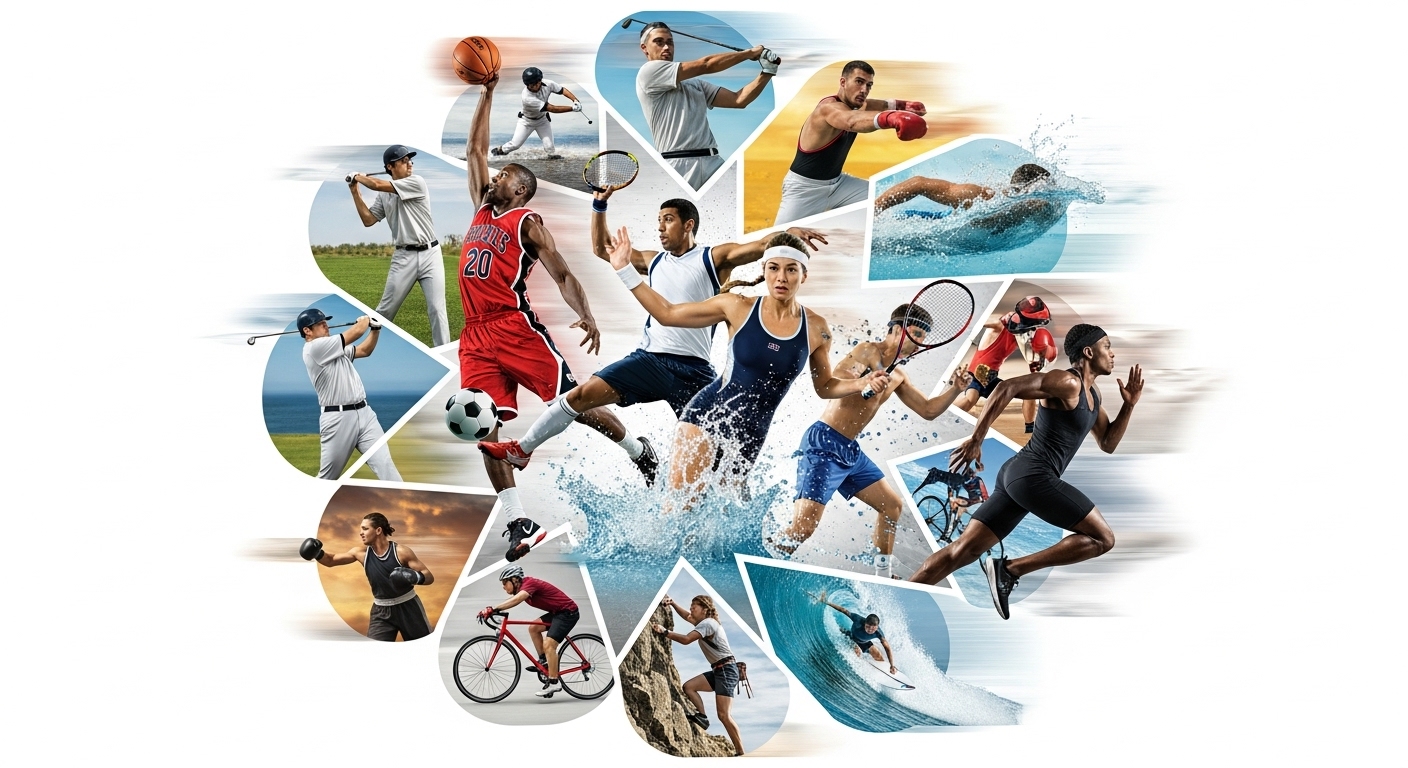
Sports have always been a global language that unites people from diverse backgrounds. Whether it’s the roar of a stadium crowd or the quiet intensity of an individual athlete pushing their limits, sports stir something deep inside us. However, their impact stretches far beyond the simple excitement of the game. From health benefits to life lessons, sports shape our world in ways that are often overlooked.
The Physical and Mental Benefits of Sports
Engaging in sports isn’t just about winning medals or setting records; it’s also about improving your overall well-being. Regular physical activity through sports helps keep the body in top shape, reducing the risk of chronic conditions like heart disease, obesity, and diabetes. Cardiovascular health, stronger bones, and improved flexibility are just some of the physical benefits.
But sports don’t just benefit the body—they also strengthen the mind. Research shows that playing sports can reduce stress, anxiety, and depression. Physical activity releases endorphins, the “feel-good” hormones, which contribute to an improved mood and better mental health. Additionally, sports teach resilience, focus, and time management—skills that are valuable both on and off the field.
Building Stronger Communities Through Sports
Sports act as a bridge between different cultures, backgrounds, and identities. Whether it’s a local neighborhood league or an international competition, sports have the power to bring people together. They foster a sense of community and shared purpose, offering a platform for people to unite despite differences. In fact, sports can break down barriers in ways that politics, religion, and social status cannot.
Consider the global events like the Olympics or the FIFA World Cup, where nations from every corner of the world come together to compete. These events not only showcase athletic excellence but also highlight the beauty of human connection. Even at the local level, a simple game of soccer or basketball can help foster relationships and build strong, supportive networks.
Discipline and Teamwork: Life Skills from Sports
One of the greatest life lessons that sports impart is the importance of discipline and teamwork. In individual sports, athletes learn to push themselves beyond their comfort zones, honing qualities like determination and self-reliance. In team sports, athletes must collaborate, communicate, and support each other to achieve a common goal. These skills are directly transferable to almost every aspect of life, whether it’s at school, work, or in personal relationships.
The competitive nature of sports also teaches the value of perseverance. Athletes know that failure is a part of the process—whether it’s missing a penalty shot or losing a match. The key is to get back up, learn from mistakes, and keep improving. This mindset of persistence is essential for success in any field.
Sports as a Catalyst for Personal Growth
Many athletes experience profound personal growth through their involvement in sports. The challenges faced in training, competition, and recovery often push athletes to explore the limits of their abilities, both physically and mentally. As they achieve personal bests and overcome obstacles, they gain a sense of accomplishment and confidence.
Moreover, sports often require athletes to manage multiple priorities—balancing training schedules, school or work commitments, and personal relationships. The ability to juggle these responsibilities and stay focused on long-term goals builds time management skills and fosters a strong work ethic.
Sports as a Platform for Social Change
In recent years, sports have increasingly been recognized as a platform for advocating social change. Athletes, with their wide reach and influence, are using their platforms to address issues ranging from racial inequality to environmental sustainability. High-profile figures like Muhammad Ali, Colin Kaepernick, and Serena Williams have used their status not only to shine in their respective sports but also to fight for justice, equality, and human rights.
These acts of activism remind us that sports are not just a pastime but a powerful tool for raising awareness and sparking meaningful conversations. By harnessing their popularity, athletes can inspire millions to take action and contribute to positive social change.
Conclusion: The Lasting Impact of Sports
Sports are much more than games—they are a force for personal growth, community development, and social change. They shape our bodies, minds, and communities, leaving an indelible mark on society. Whether you play professionally or as a hobby, the benefits of sports are clear. So, the next time you lace up your sneakers or cheer from the sidelines, remember that sports are an integral part of what makes us human—pushing us to be better, stronger, and more connected.